Tracking how Canadian cities are reshaping their land-use rules

Zoning policy, transit corridors, density targets, and the municipal decisions shaping how neighbourhoods grow — documented from across Canada.

Updated May 2026 · Toronto, ON

Recent Articles

Three topics at the centre of urban planning conversations in Canadian cities — from missing-middle housing to light rail corridors.

Yonge Street, Toronto — mixed zoning corridor
Zoning Policy

Zoning Reform and Canada's Missing Middle: What's Actually Changing

How provincial housing mandates and municipal bylaw amendments are beginning to unlock mid-density residential in neighbourhoods that have been single-family for decades.

May 2026 · 9 min read
Edmonton Light Rail Transit
Transit Corridors

Transit-Oriented Development in Canadian Cities: Beyond the Station Area

A look at how Calgary, Ottawa, and Metro Vancouver are applying transit-oriented development principles — and where those efforts are running into land ownership and political friction.

May 2026 · 11 min read
King Street West, Toronto — mixed-use corridor
Density & Corridors

Mixed-Use Corridors and Neighbourhood Density: A Street-Level Account

The mechanics of mixed-use corridor designation — how ground-floor commercial, upper-floor residential, and activated streetscapes come together, and where the gaps remain.
April 2026 · 10 min read

Missing middle housing is the centrepiece of Canada's density conversation

Duplexes, triplexes, townhouses, and low-rise apartments represent the gap between detached homes and towers — a gap that most Canadian zoning codes spent half a century excluding. Several provinces have now moved to override municipal restrictions, but implementation timelines and local flexibility vary considerably city to city.

Read the full analysis

Key themes in Canadian urban planning

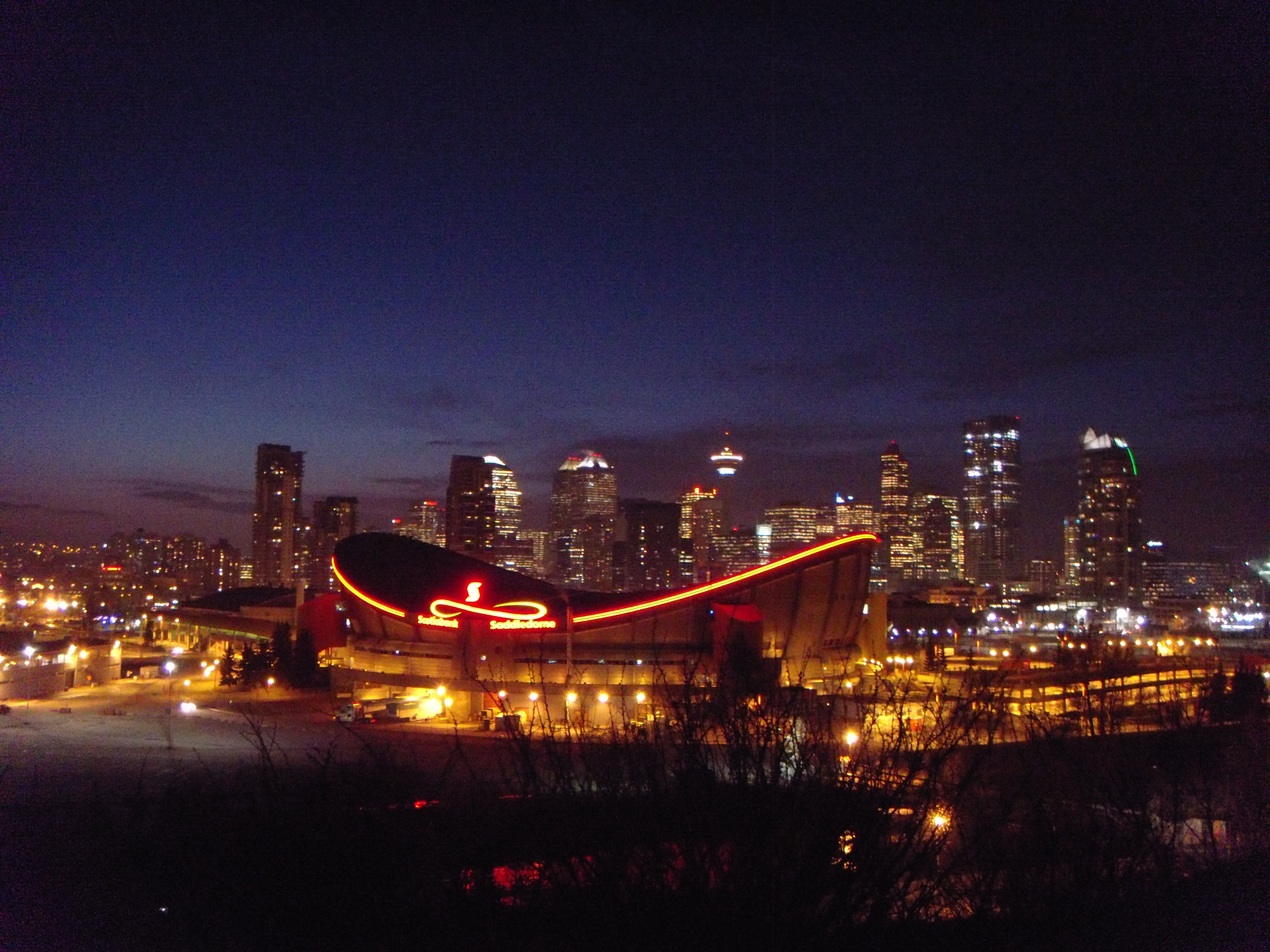
Calgary skyline
Station-Area Density
How much development actually clusters around transit stops — and what prevents more from happening
Vancouver False Creek
Waterfront Intensification
Vancouver's False Creek and Granville Island area as case studies in fine-grained mixed use
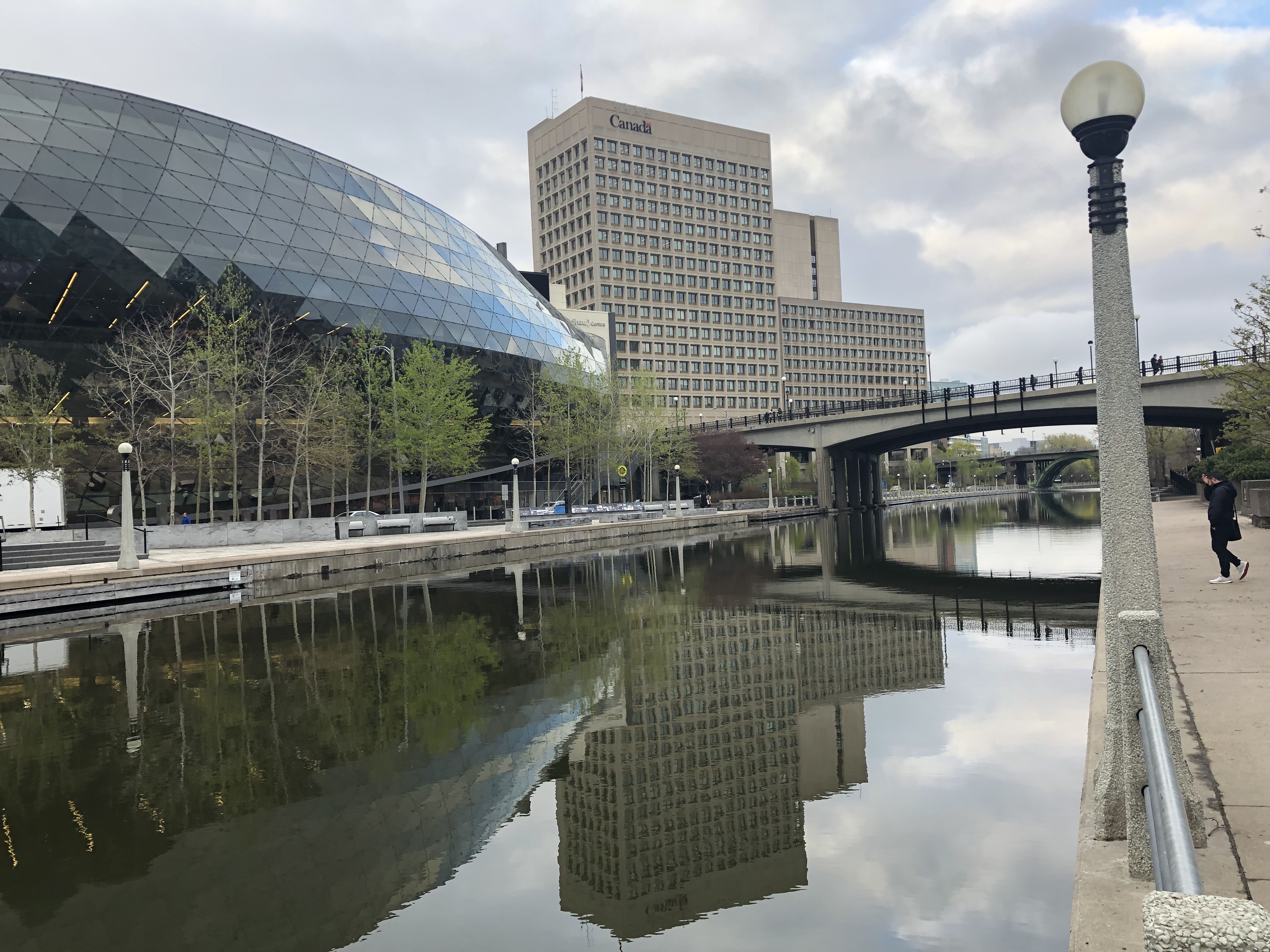
Ottawa downtown
Capital City Corridors
Ottawa's Confederation Line and the land-use changes around new LRT stations in a low-density capital

Municipal housing density policy is moving faster than the planning system can process

In Ontario, British Columbia, and Nova Scotia, provincial governments have enacted legislation that forces municipalities to allow higher residential densities. The result is a complex layering of provincial directives, municipal official plan amendments, and site-specific zoning decisions that planners and residents are still navigating.

Corridors and density explained

Transit and land use: the relationship Canadian cities are still learning to leverage

Light rail investment in Edmonton, Calgary, Ottawa, and the Eglinton Crosstown corridor in Toronto has created opportunities for concentrated development that were not possible in the prior road-first planning era. Whether those opportunities are captured depends on zoning rules, land assembly capacity, and the willingness of local councils to allow the density that makes transit financially viable.

Send a question or note

If you have a question about a specific policy, a correction to flag, or a topic not yet covered here, use the form below.

Your information is used only to respond to your inquiry and is not shared with third parties. See our Privacy Policy.

Read the full article archive

Zoning reform Transit corridors